Asia Dialogues
Book Review: Delusional Politics by Hardeep Singh Puri
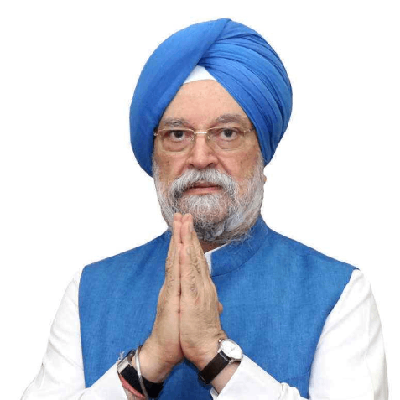
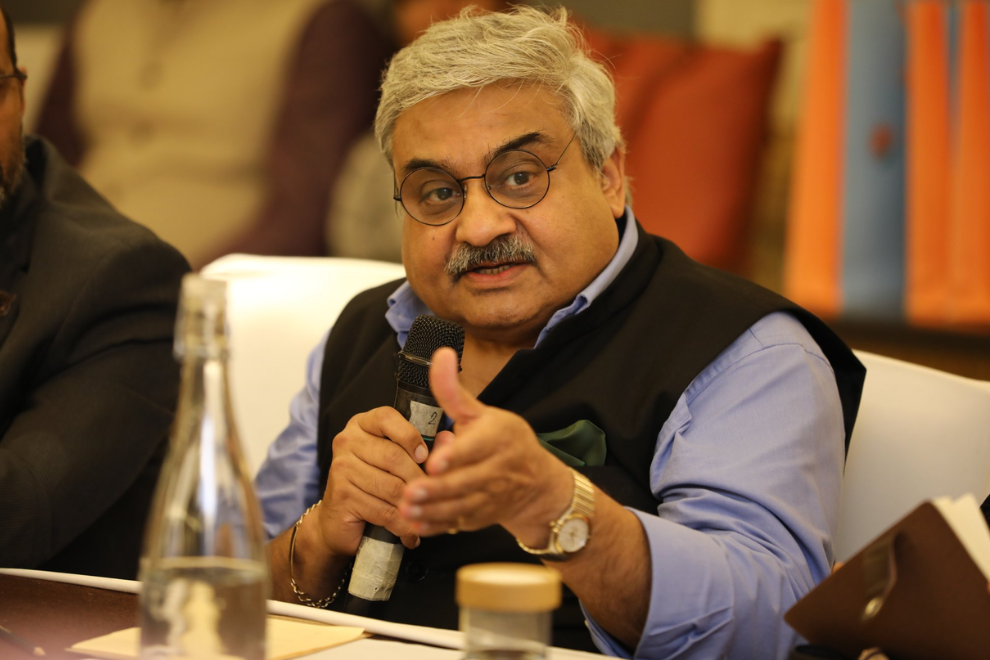
Hardeep Singh Puri
Minister of Petroleum and Natural Gas, Government of India
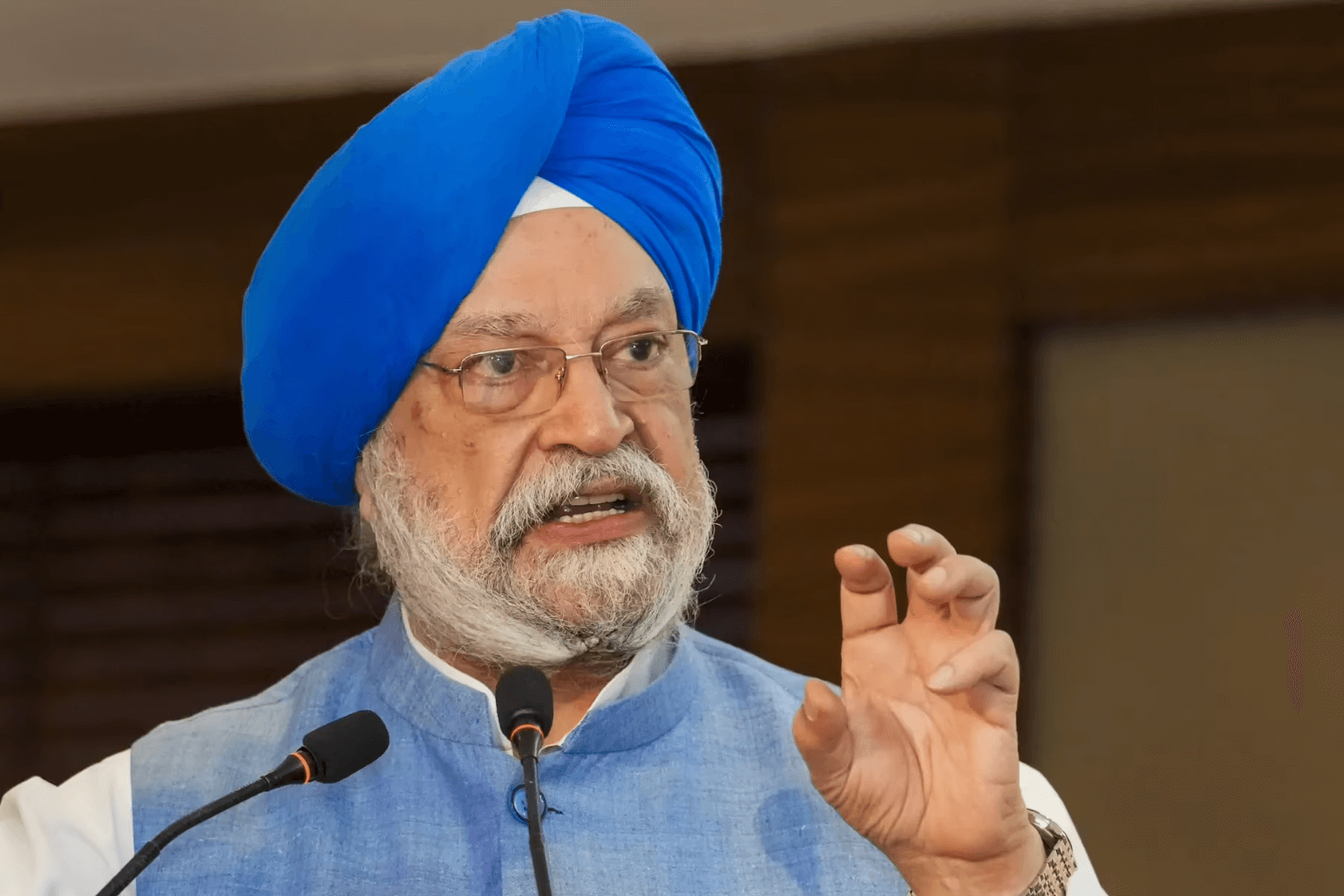



Why a 2019 diagnosis reads like today’s headline
Short Review
Hardeep Singh Puri brings a negotiator’s eye to Delusional Politics, a cool, unsentimental study of how leader worship, media echo chambers, and enfeebled institutions turn democracy into performance. From Brexit to Trump to “The India Story,” we see how rhetoric outruns arithmetic, and citizens, markets, and global rules pay. In an era of tariff theatre and rule-rewriting, Puri’s counsel feels bracingly current: law over spectacle, quiet diplomacy over chest-thumping, patience over panic.
Long Review:
In 1987, First Secretary Hardeep Singh Puri drove past charred buses and sandbagged checkpoints into Jaffna to face LTTE chief V. Prabhakaran and succeeded in persuading him to hold talks with New Delhi, days after the India–Sri Lanka Accord. That negotiation under fire sets the tone for Delusional Politics—a clear-eyed insider’s guide to power without illusions.
Drawing on four decades of experience in diplomacy, Delusional Politics is a compelling illustration of how delusional decision-making, pliable media ecosystems, and tired institutions can lead democracies down paths that appear well on TV but come at a high cost in real life.
As the title suggests, his story anchors, Brexit, Trump’s America, and “The India Story” present an incisive look at how leader-centric narratives become policy, politics becomes performance, and policy becomes prop.
What the book argues—and gets right
Puri’s core claim is stark: at the center of delusional politics stands the delusional politician.
The book traces how the UK’s referendum traded arithmetic for slogans; how U.S. unilateralism (the Iran deal exit, Paris Accord withdrawal, performative summits) chipped away at norms; and how global governance, from the UN to trade regimes, wilts when great powers treat rules as optional. He’s notably bullish on India’s recent trajectory, presenting it as programmatic and development-oriented, an emphasis some readers might debate.
The most durable chapters widen the lens. On the “credibility crisis,” Puri shows how algorithmic echo chambers support and harden belief, how data is repurposed into narrative, and how once institutions bend to spectacle, it’s hard to snap them back. His chapters on terrorism and trade are grounded in real multilateral work—hard bargaining, agenda fights, and the slow grind of consensus.
Where readers will push back
The India chapter will divide opinion. Admirers will see a corrective to elite pessimism; critics will see a forgiving gloss over social fissures. Even so, the framework holds: don’t confuse message discipline with policy depth, and don’t assume institutions can always rescue reckless choices.
Why it’s even more relevant now
If the first edition captured a world slipping from rule-making to rule-bending, today we’re living through contradictions and rule-rewriting, nowhere clearer than in US-led tariff politics. The loud return of sweeping, executive-led duties has turned trade into a stage for identity, grievance, and authoritarianism rather than comparative advantage. Puri’s trade and governance chapters feel prescient here: when “reciprocity” becomes a creed instead of a tool, tariffs morph from instrument to punitive ideology.
For India, this isn’t academic. As tariff waves hit thin-margin export clusters, Puri’s counsel of reading institutions soberly, hedging across forums, and resisting mirroring the very unilateralism you oppose—maps well to New Delhi’s current playbook of practicing quiet diplomacy while diversifying partnerships & markets and refusing to be trapped in anyone else’s narrative.
The psychology chapter that lingers
One sharp detour is behavioural: how otherwise “normal” leaders, surrounded by experts, can normalize delusional choices. Groupthink, media incentives, and public fatigue create a permissive environment. It’s also a challenge to readers: if the fourth estate is distrusted and multilateral tables are politicized, citizens and firms must become better consumers of policy narratives. Read footnotes, not just feeds.
A discreet, timely footnote
Without belabouring names, the recent revival of across-the-board tariff talk in Washington, marketed as fair play and punitive action, presents a live illustration of Puri’s thesis. The label changes; the logic looks familiar.
Takeaways for leaders and audiences
- Business: Treat policy volatility like currency risk—scenario-plan duties, modularize supply chains, and invest in compliance as a moat.
- Policymakers: Talk to data, not at it; publish costed trade-offs; under-promise, over-deliver. Credibility compounds.
- Citizens & media: Reward seriousness over spectacle. It’s slower—but it lasts.
Verdict
Is Delusional Politics tilted toward India’s current leadership? Yes. Does it still earn a spot on a 2025 reading list? Absolutely.
As a diagnostic for how post-truth narratives become policy shocks—and how smart states respond—it’s crisp, accessible, and uncomfortably on point. Read it to understand why tariff theatrics outrun tariff math, why institutions lag, and why India’s best response is neither outrage nor surrender but strategic patience with multiple levers in motion.
At SpeakIn, we prize books that help leaders separate noise from signal. This one does. If you’re briefing a team on geopolitics, moderating a panel on the future of trade, or trying to make sense of the next news headline, Puri’s playbook is a bracing—and timely—companion.
About the author:
Hardeep Singh Puri
Minister of Petroleum and Natural Gas, Government of India
Shri Hardeep Singh Puri is an Indian Politician, Former Diplomat, and Author. He was inducted into the Council of Ministers as Minister of State (Independent Charge) for Housing and Urban Affairs in Sep 2017. He was given the additional charge of Minister of State (Independent Charge) for Civil Aviation and the Minister of State for Commerce and Industry in May 2019. He was sworn in as Union Minister in July 2021 and was the Minister of Housing and Urban Affairs & Petroleum, and Natural Gas. He was sworn in as Union Minister in July 2024, and currently, he is the Minister of Petroleum and Natural Gas. A 1974-batch Indian Foreign Service officer, he served as the Permanent Representative of India to the United Nations in Geneva and New York and served additionally in Tokyo and Colombo.
SOURCE
Minister of Petroleum and Natural Gas, Government of India

Latest Articles
 You might be interested in

Our Partners
Leading brands who have partnered with us.












Latest News
Latest updates, insights, and highlights from our leadership community