Asia Dialogues


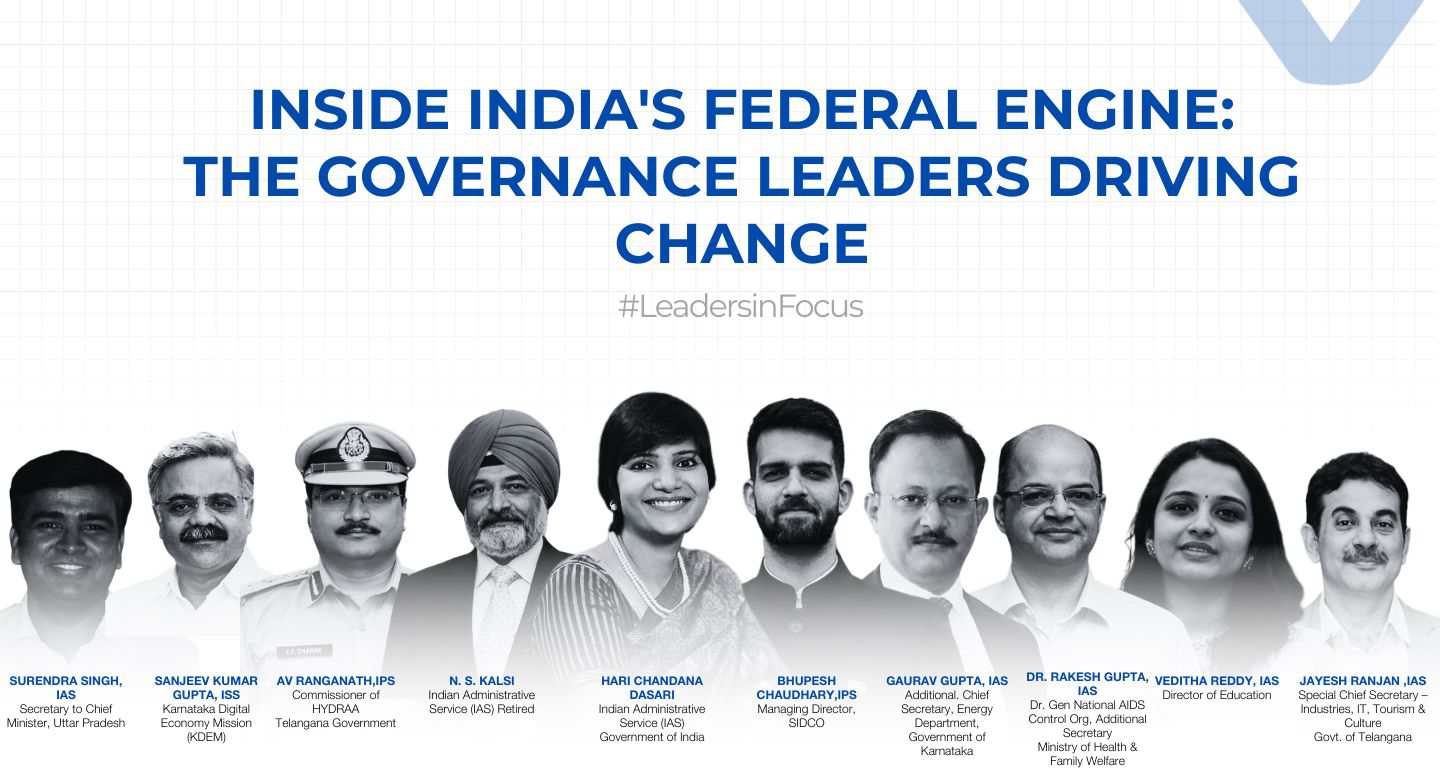
Governance leaders are quietly rewriting India’s growth story.
Beyond boardrooms and political podiums, it is India’s bureaucratic leadership-its IAS and IPS officers, policy architects, and institutional reformers- that powers execution across one of the world’s most complex democratic systems.
This feature, part of the Leaders in Focus series by Asia Dialogues Forum, spotlights governance leaders who are changing India through administrative rigor, policy innovation, and reform-driven leadership.
India’s federal framework is layered and intricate.
Authority is distributed across the Union Government, State Governments, and District Administration.
National policies are interpreted locally. Implementation varies by geography, scale, and socio-economic context. In such a system, leadership is not symbolic — it is operational.
Behind this architecture stands one of the most competitive civil service systems globally. Officers of the Indian Administrative Service (IAS) and Indian Police Service (IPS) undergo rigorous selection, structured training, and decades of field and policy exposure.
They oversee infrastructure expansion, digital health ecosystems, industrial corridors, law enforcement, regulatory frameworks, and public service delivery at scale.
To understand India’s rise as a thriving global economy, one must understand the governance leaders driving its federal engine.
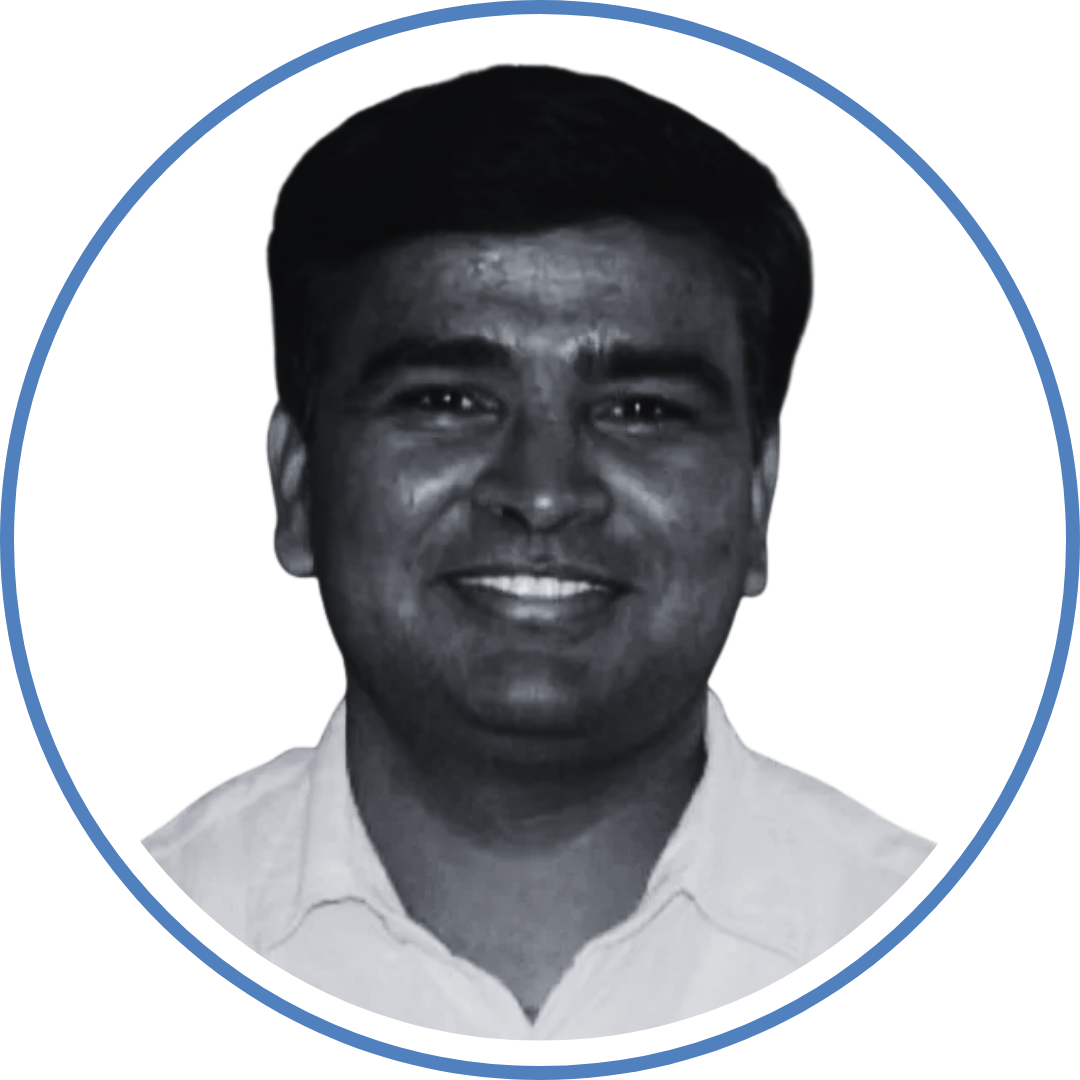
Surendra Singh is a senior IAS officer of the Uttar Pradesh cadre and currently serves as Secretary to the Chief Minister of Uttar Pradesh. In this role, he supports policy coordination and administrative oversight within the Chief Minister’s Office.
Over his career, he has held responsibilities across district administration and state governance, contributing to policy implementation and cross-departmental coordination in government.
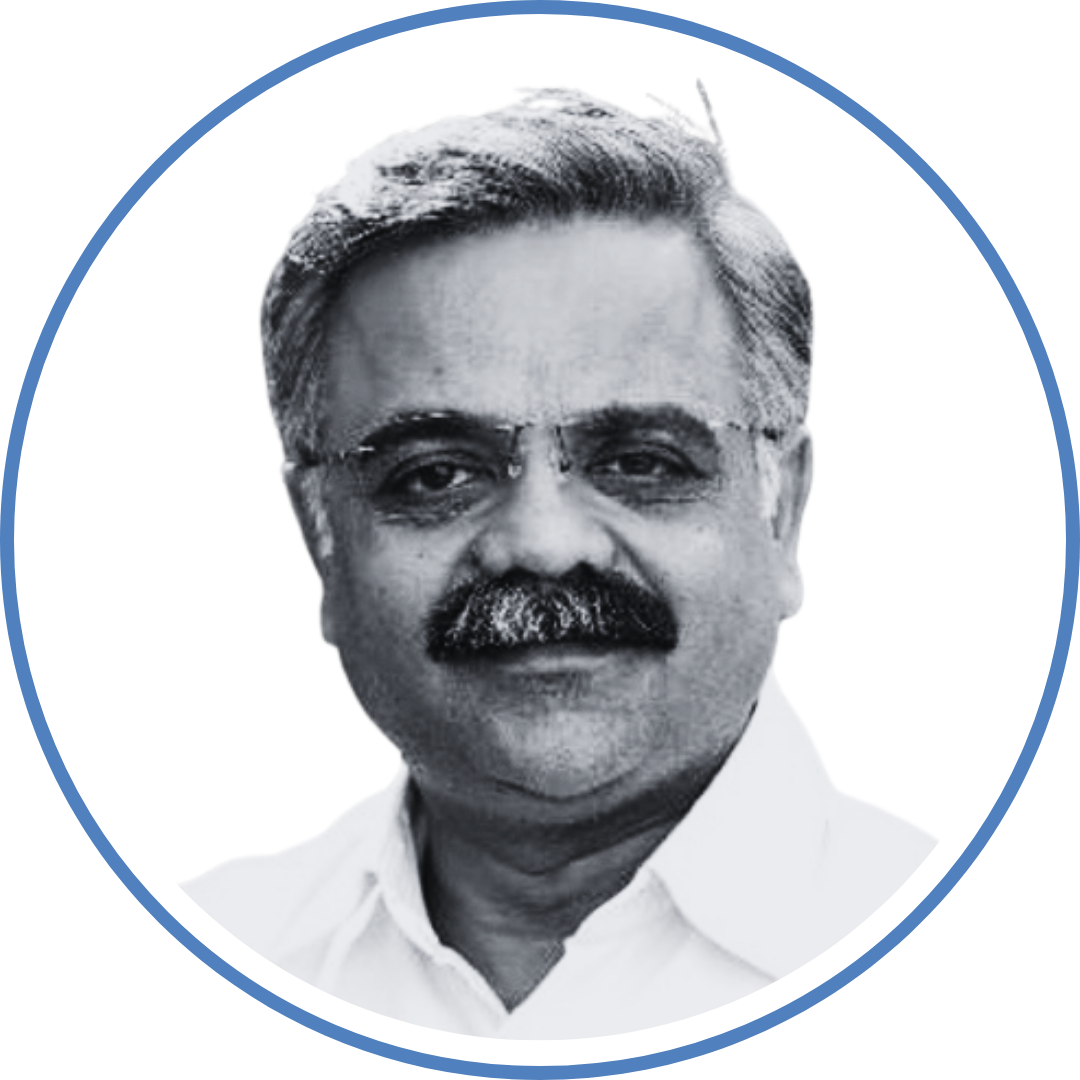
Sanjeev Kumar Gupta is the Chief Executive Officer of the Karnataka Digital Economy Mission (KDEM), an initiative of the Government of Karnataka focused on accelerating the growth of the state’s digital economy and technology ecosystem.
In his role, he works closely with government and industry stakeholders to promote investment, strengthen Global Capability Centre (GCC) growth, and expand Karnataka’s technology ecosystem beyond Bengaluru.
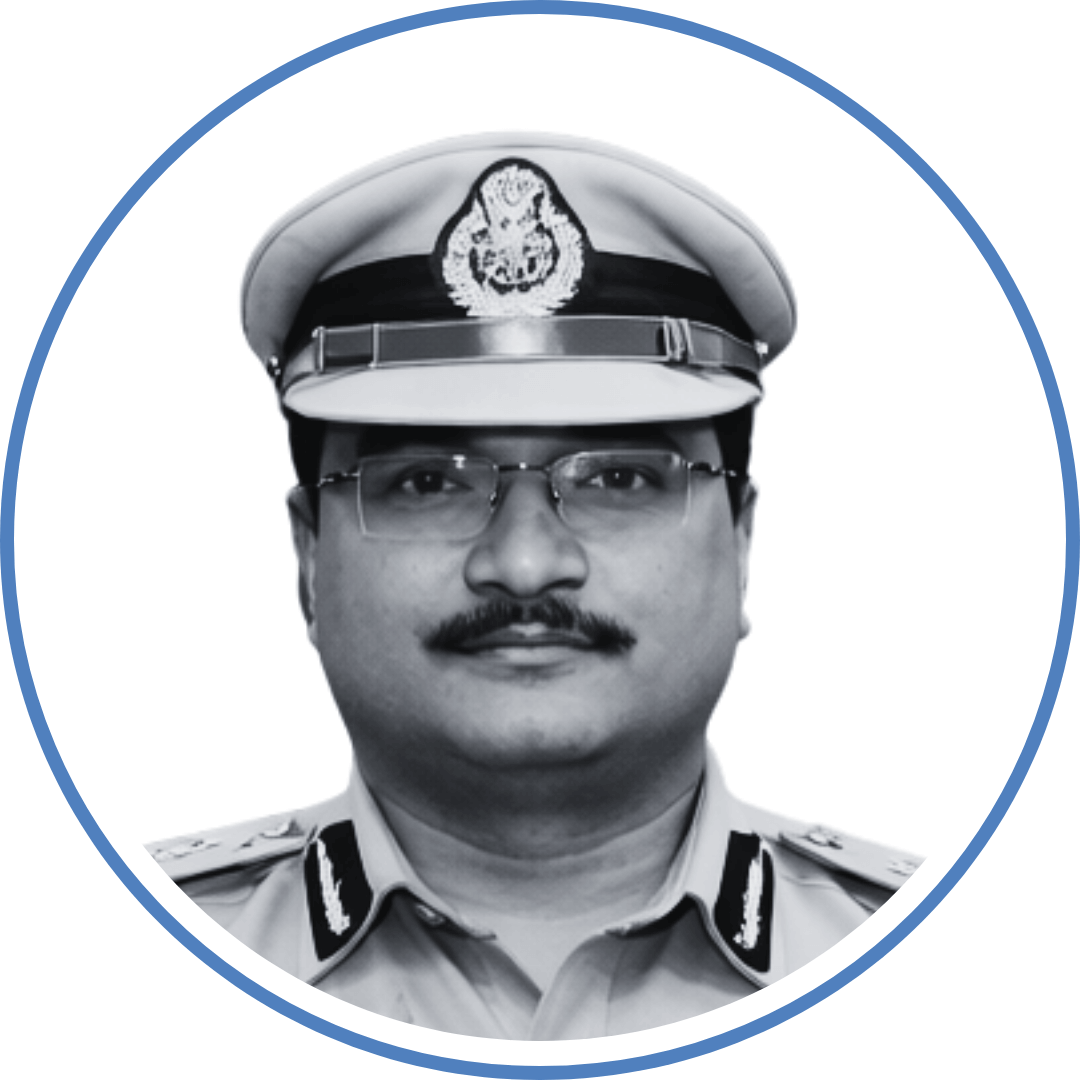
An IPS officer of the Karnataka cadre, A. V. Ranganatha has served as Commissioner of Police and held leadership responsibilities within the Karnataka Lokayukta.
His tenure is associated with strengthening vigilance frameworks and reinforcing rule-of-law governance — a cornerstone of citizen trust and institutional credibility.
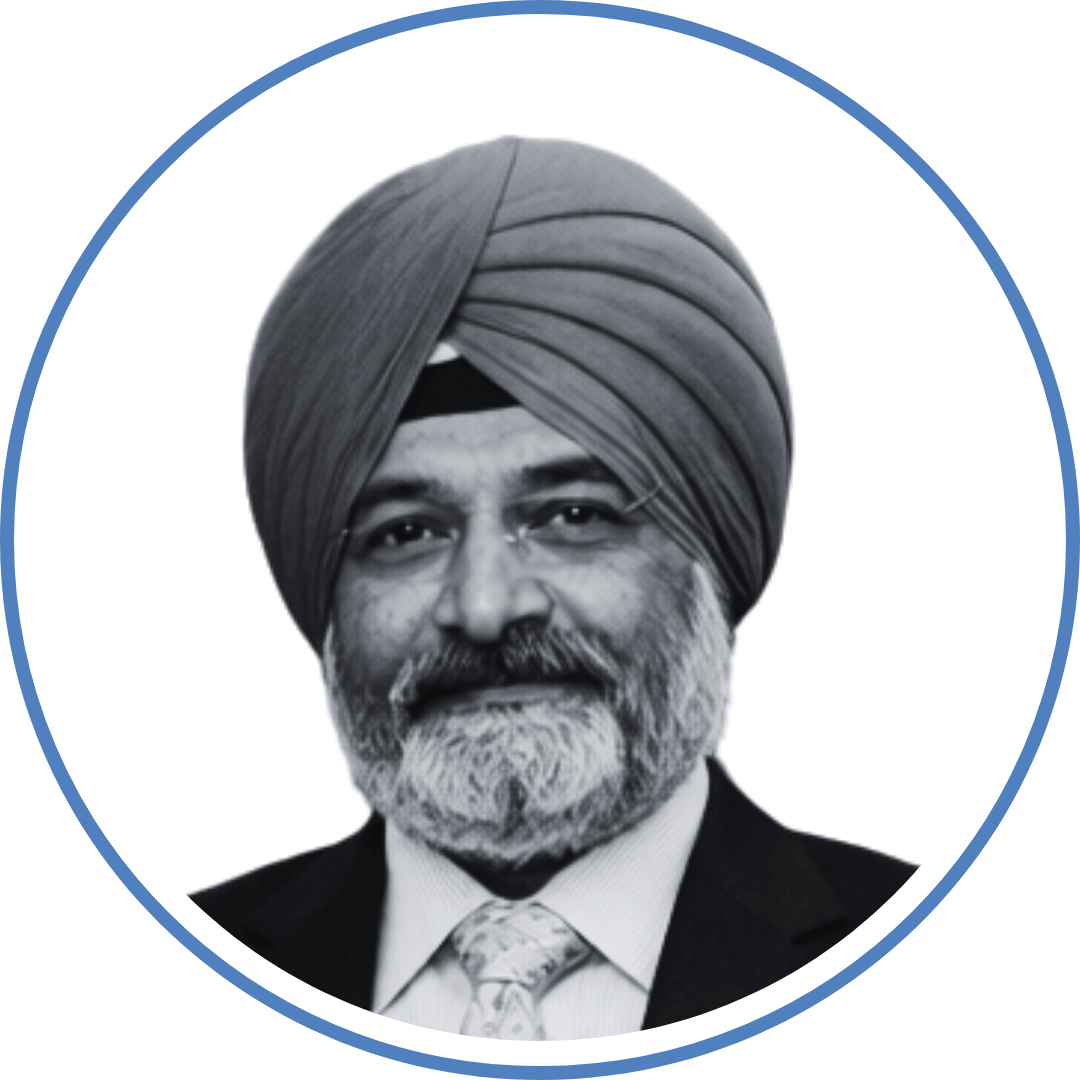
A senior IAS officer from the Uttar Pradesh cadre, N. S. Kalsi has served in key roles within Industrial Development and Investment Promotion departments.
He has been involved in facilitating investment summits, implementing ease-of-doing-business reforms, and streamlining regulatory mechanisms to attract domestic and global capital.
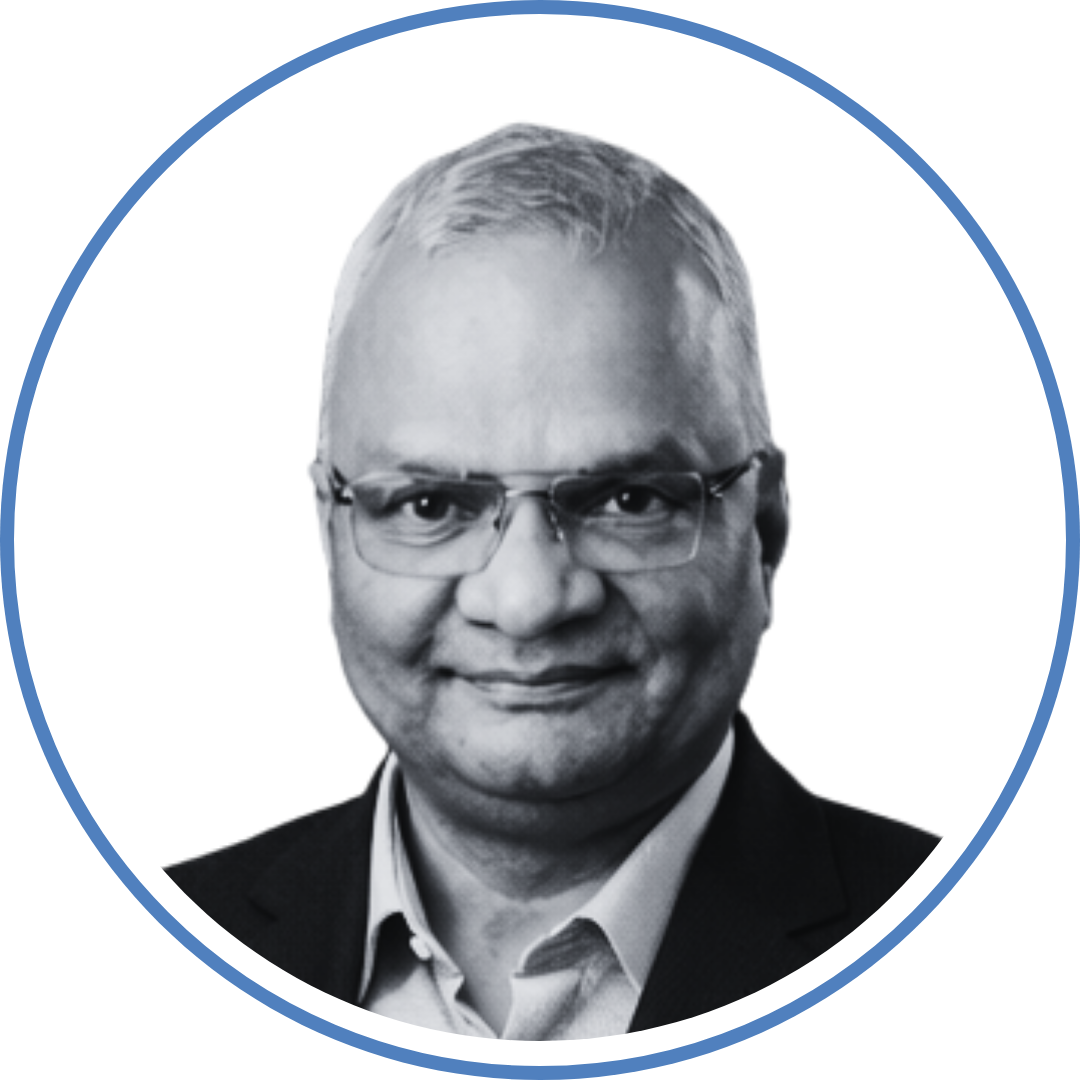
Associated with India’s Ministry of Health & Family Welfare, Dr. Madan Gopal has contributed to strengthening governance frameworks in healthcare, including initiatives linked to Ayushman Bharat and digital health systems.
His work focuses on universal health coverage models, policy design, and integrated healthcare governance — critical pillars in scaling public health delivery across a diverse population.
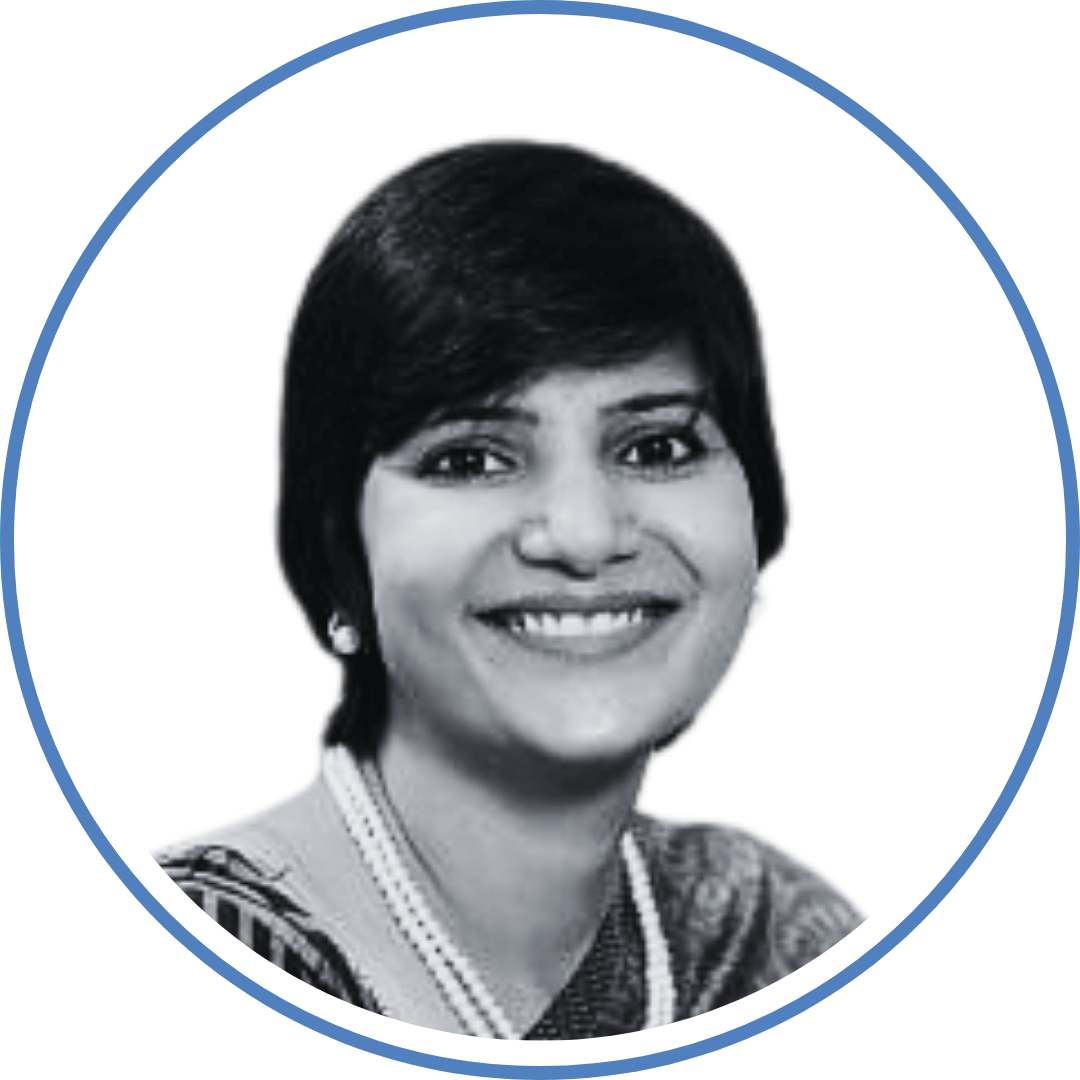
An IAS officer of the Telangana cadre, Hari Chandana is recognized for sustainability-led administrative initiatives at the municipal and district levels.
From plastic waste management and decentralized composting to lake rejuvenation and eco-conscious public infrastructure, her work reflects the increasing role of environmental stewardship in governance.

With experience in district-level administration, Bhupesh Chaudhary represents the execution layer of India’s federal model — where welfare schemes, rural development programs, and land administration converge.
Such roles demand coordination across departments while ensuring transparency and service delivery effectiveness at the community level.
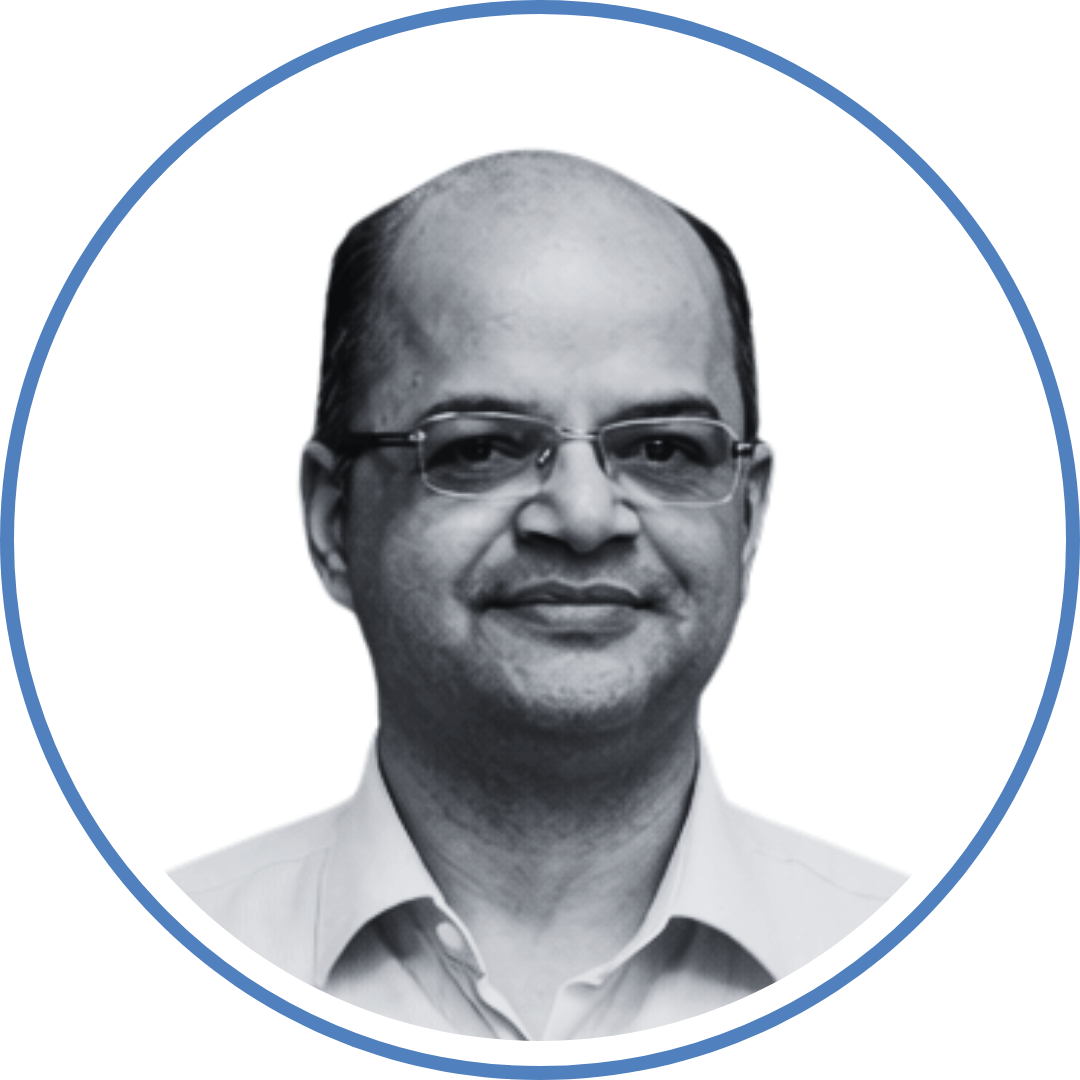
Dr. Rakesh Gupta operates at the intersection of public policy advisory, regulatory design, and administrative capacity building.
His areas of expertise include governance benchmarking, digital systems integration, and institutional accountability frameworks — strengthening long-term administrative resilience.

Associated with governance advisory initiatives, Veditha Reddy’s work centers on stakeholder coordination, program management, and structured policy implementation frameworks.
Her contributions reflect the growing importance of cross-sector collaboration and modernization within India’s evolving governance ecosystem.
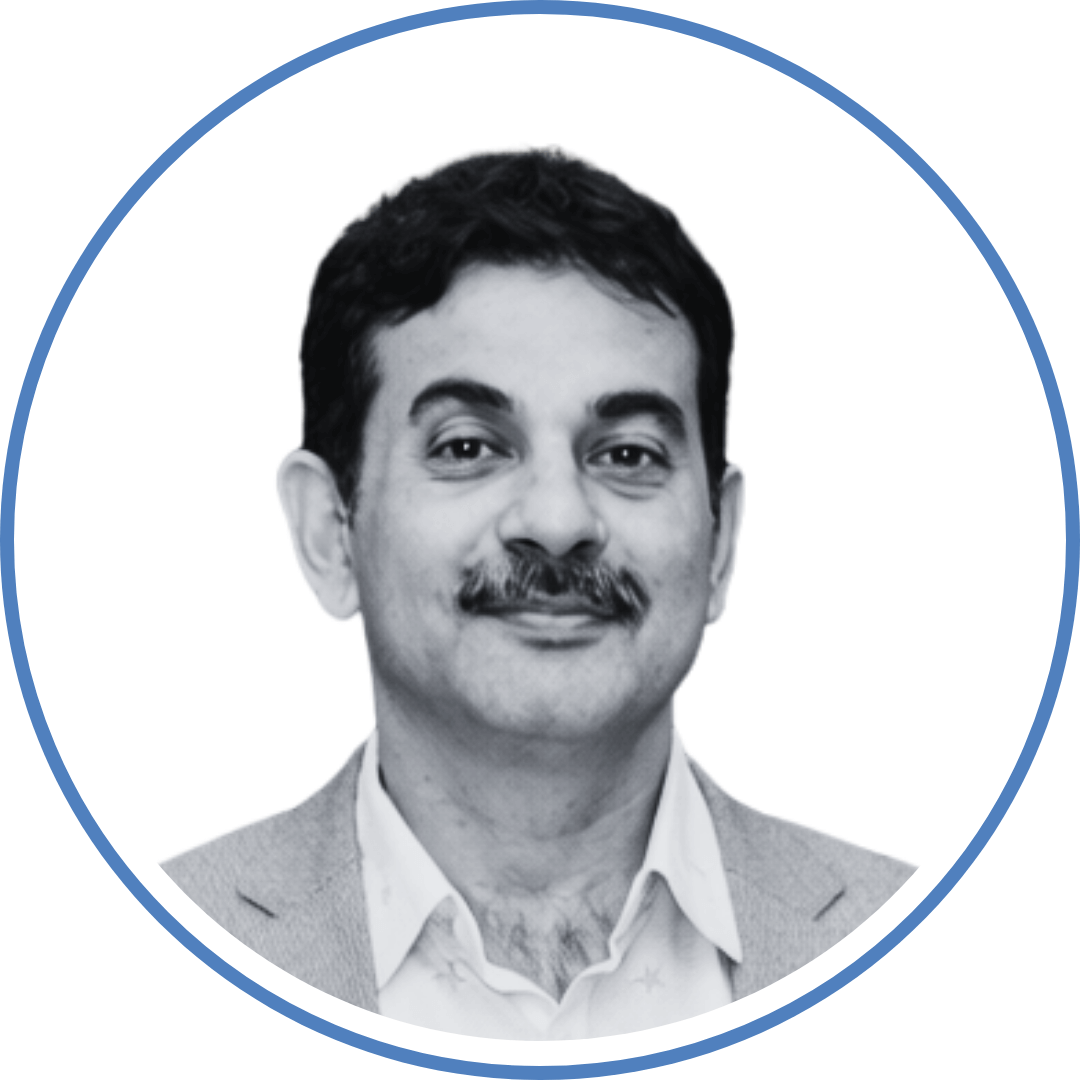
A senior IAS officer of the Telangana cadre and Principal Secretary for Industries & Commerce and Information Technology, Jayesh Ranjan has played a pivotal role in positioning Telangana — particularly Hyderabad — as a major IT and innovation hub.
Through investment facilitation, startup ecosystem expansion, and digital infrastructure development, his leadership exemplifies how state-level governance contributes to national competitiveness.
India’s ascent on the global stage is anchored not only in economic ambition but in governance depth.
Its federal model demands leadership that can interpret national vision, adapt it to regional realities, and execute it at scale
The governance leaders featured here operate across law enforcement, healthcare reform, industrial policy, sustainability, and administrative modernization — collectively strengthening India’s institutional backbone.
As Asia’s growth narrative evolves, India’s bureaucratic leadership remains central to its trajectory as a confident, resilient, and globally influential nation.
Watch out for upcoming Leaders in Focus stories spotlighting GCC growth across Asia.

Ridhima Duggal
SpeakIn Editorial Team

Latest Articles
 You might be interested in


 Our Partners
 Leading brands who have partnered with us.










 Latest News
 Latest updates, insights, and highlights from our leadership community